Liberty Vacation Rentals

Tag: vacation

  • Thanks for Supporting Local Business

    When you choose to stay at Liberty Vacation Rentals in Southern Utah, you’re not just booking a cozy home-away-from-home, you’re supporting a local business that’s deeply rooted in our vibrant and small community. We’re featured on Airbnb (with a high rating) and we believe that supporting local businesses is the heartbeat of a thriving region, and here’s why it matters.

    Local businesses like ours fuel the economy of Southern Utah. When you book one of our carefully curated vacation rentals, your dollars stay in the community, creating jobs and fostering growth. From our dedicated cleaning staff to local maintenance team, every booking directly supports hardworking families in the area. This ripple effect strengthens the region, ensuring that the stunning landscapes of the nearby national parks, Lake Powell, and beyond, remain accessible and well-maintained for future visitors.

    Beyond economics, choosing local enhances your travel experience. At Liberty Vacation Rentals, we’re not a faceless corporation—we’re your neighbors, passionate about showcasing Southern Utah’s beauty. Our team offers insider tips on the best hiking trails, hidden gem restaurants, and family-friendly activities, giving you an authentic, personalized adventure. Supporting us means you’re investing in a stay that’s tailored to your needs, with the warmth and care only a local business can provide.

    Moreover, local businesses are committed to sustainability. We prioritize eco-friendly practices, like using solar energy, finding local suppliers, and reducing waste, to preserve Southern Utah’s breathtaking environment. By choosing us, you’re contributing to a greener future for this stunning destination, and you get a great rate on our apartment suites (with kitchen, private laundry, and separate bedrooms), when compared to nearby hotels.

    So remember to support local, embrace authenticity, and make a lasting impact on Southern Utah’s community—one stay at a time.

  • The Winter Wonders of Southern Utah

    The winter season is a great travel time for die-hard nature lovers.

    As the chill of winter blankets much of the country Southern Utah transforms into a serene and uniquely beautiful landscape, making it an ideal off-season travel destination.


    Here’s why you should consider visiting during the colder months:

    1. Fewer Crowds: One of the most compelling reasons to visit Southern Utah in winter is the dramatic decrease in tourist traffic. Iconic parks like Zion, Bryce Canyon, and Arches see a significant drop in visitors, allowing you to experience these breathtaking vistas in peace. This solitude not only enhances your connection with nature but also means shorter lines, easier parking, and a more personal experience with the natural wonders.

    2. Stunning Winter Scenery: Winter in Southern Utah paints a different picture than the usual desert hues. Snow-capped red rock formations, frozen waterfalls, and frost-covered hoodoos create a magical contrast that’s rare to see. The landscape takes on a new life, offering photographers and nature lovers an entirely different palette to explore.

    3. Cooler Temperatures: Hiking in the summer can be grueling due to the heat, but winter provides cooler, more comfortable conditions for outdoor activities. While you’ll need to pack layers, the generally mild temperatures make for pleasant daytime exploration without the risk of heat exhaustion.

    4. Special Winter Activities: The winter season brings unique activities not available in other seasons. Snowshoeing through Bryce Canyon or cross-country skiing in the quieter corners of Zion are experiences that combine adventure with the tranquility of winter. Moreover, winter festivals and holiday events in nearby towns like St. George provide cultural enrichment.

    5. Lower Prices: Traveling in the off-season often means better deals on accommodations, tours, and even flight tickets if you’re flying into a nearby airport like Las Vegas or Salt Lake City. This affordability can make an extended stay or multiple park visits more feasible.

    Southern Utah in winter isn’t just about escaping the cold; it’s about embracing a quieter, more reflective side of nature, offering a fresh perspective on some of America’s most famous landscapes. Whether you’re looking to hike, photograph, or simply soak in the serene beauty, winter here promises a unique and enriching experience.

  • Explore More of Southern Utah

    As the days grow longer and warmer, many of us start dreaming of summer vacations filled with adventure and natural beauty. If you’re looking for a destination that offers stunning landscapes, outdoor activities, and a break from the hustle and bustle of city life, look no further than Southern Utah.

    Southern Utah is a haven for outdoor enthusiasts, nature lovers, and anyone seeking a unique and unforgettable vacation experience. From towering red rock formations to serene national parks such as Zion and Bryce, this region has something for everyone.

    One of the must-visit destinations in Southern Utah is Zion National Park. Known for its breathtaking canyons, emerald pools, and diverse wildlife, Zion offers endless opportunities for hiking, rock climbing, and photography. The iconic Angel’s Landing hike is a thrilling adventure that rewards hikers with panoramic views of the park’s stunning landscape.

    For those seeking a more off-the-beaten-path experience, consider exploring Bryce Canyon National Park. Famous for its hoodoos—tall, thin spires of rock that create a surreal landscape—Bryce Canyon is a paradise for hikers and photographers. The park’s scenic overlooks, such as Sunrise Point and Sunset Point, offer mesmerizing vistas that are especially beautiful during the golden hours of sunrise and sunset.

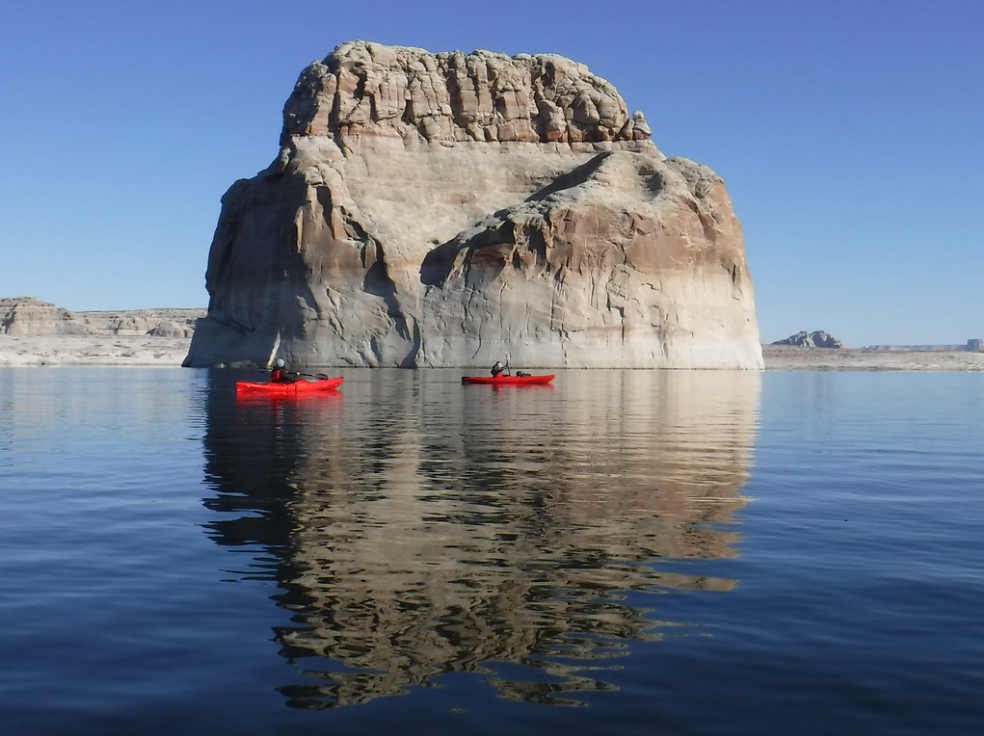
    If you’re craving water-based activities, Southern Utah has you covered as well. Lake Powell, a reservoir on the Colorado River, is a popular destination for boating, kayaking, and fishing. With its crystal-clear waters and red rock backdrop, Lake Powell provides a refreshing escape from the summer heat. Liberty Vacation Rentals is just a few minutes from this lake, at Lone Rock Beach.

    After a day of adventure, unwind in one of Southern Utah’s charming towns, such as Kanab or Springdale. These quaint communities offer a range of accommodations, from cozy cabins to luxurious resorts, ensuring a comfortable stay for every traveler.

    In addition to its natural beauty, Southern Utah also boasts a rich cultural heritage. Explore ancient Native American sites, such as the ruins at Mesa Verde or the petroglyphs at Newspaper Rock, to gain insight into the region’s history and heritage.

    Whether you’re seeking adrenaline-pumping activities or peaceful moments in nature, Southern Utah has it all. Plan your summer vacation in this breathtaking region and prepare for an unforgettable adventure amidst some of America’s most awe-inspiring landscapes.

  • The New Artist’s Studio

    The New Artist’s Studio

    Well… we were getting requests from travelers who were desperate for a last-minute room to rent. Hotels were full. We were full. We didn’t want people to have to sleep in their cars out here in the desert, so we got an idea.

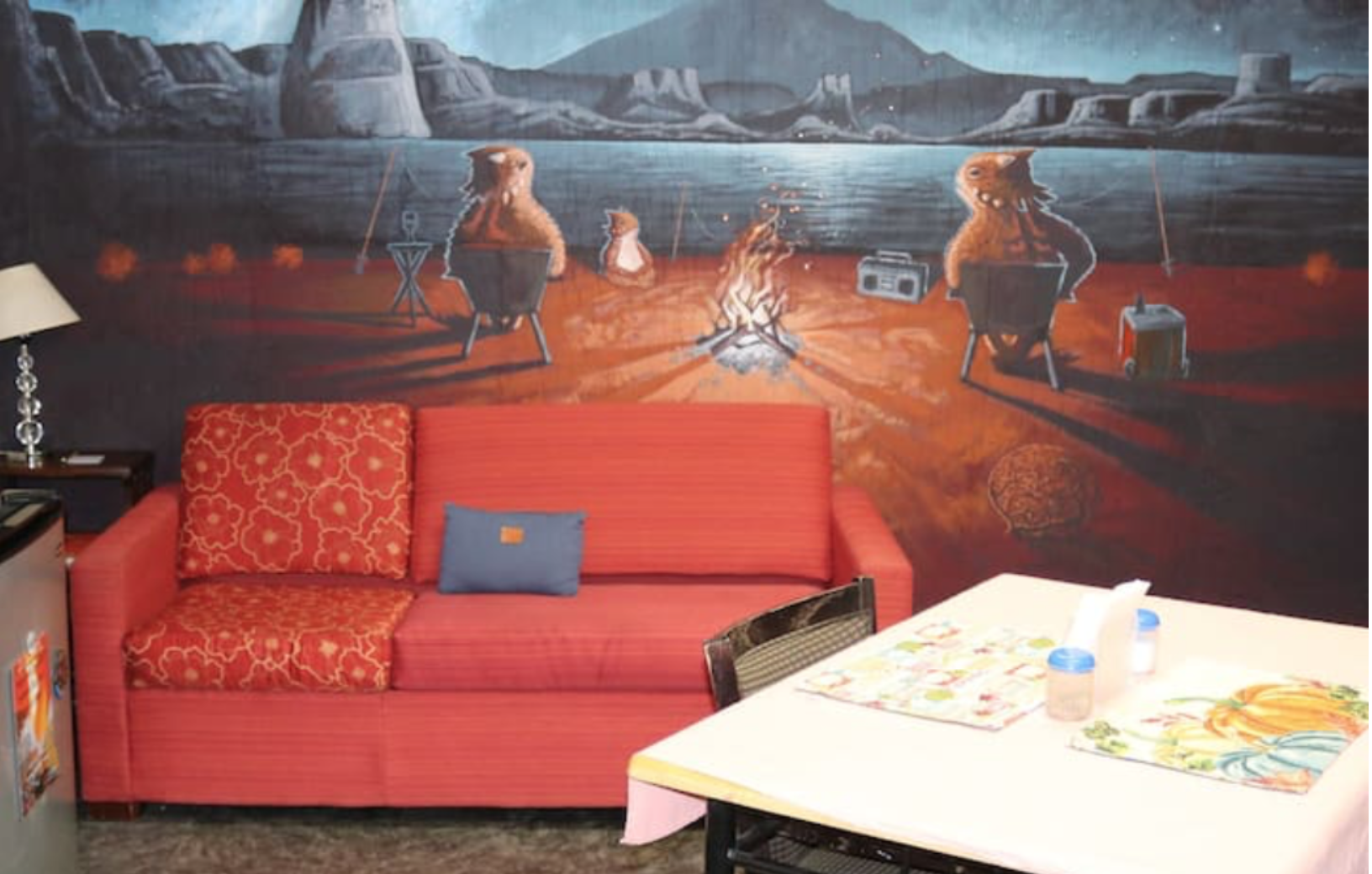
    We took our empty garage space, added a wall, new furniture, completely renovated the bathroom, added a kitchenette, and then found a professional Navajo artist (Daniel Josley) to paint a fantastic mural in the room. We now call this the Artist’s Studio and it looks great! It’s perfect for two people, also with a fold-out couch, for a maximum of three persons.

    This includes a queen-size memory foam bed, as well as a shower with overhead (waterfall style head), a table and chairs, new nightstands, lots of variable lighting for the room, and a new A/C unit. The kitchenette includes a coffee pot, tea kettle, microwave, mini-fridge, silverware and dishes.

    The large mural depicts a scene of Lone Rock beach, with anthropomorphic lizards relaxing on the sand. Josley is famous for putting these horned-head lizards in human settings, such as a campfire, backpacking, or relaxing in a home, performing human actions. We are thrilled to have his work represented here.

    This room was completed in early 2022, and is now open on the AIRBNB calendar at http://www.airbnb.com/p/LVR

  • Buckskin Gulch

    Buckskin Gulch

    What say you? In southern Utah or northern AZ and not sure what to do? You must not be looking deep enough — deep into the earth, that is.  Many tourists come into the area with a linear focus on Antelope Canyon, and they ignore other great places, such as Buckskin Gulch.

    Antelope is privately owned by a Navajo family, within the Navajo Nation, and beautiful, nonetheless.  As seen on Instagram, it is stunning. How could you not be in awe of such an incredible display of nature? What if I told you there’s another area close to Antelope Canyon that’s just as magnificent; even better, it’s Antelope Canyon on steroids? And… And… It’s much cheaper than Antelope.

    Don’t get me wrong:  Antelope is stunning and well worth the tour if you can afford it or make it with or without a reservation. Wouldn’t you rather or in addition to explore the longest slot canyon in the US, possibly the world? I have and will go back many more times to get my fix exploring this extremely amazing natural environment.

    Do you want the juice? Are you ready for the juice? LOL Here’s the juice… BUCKSKIN GULCH is the longest slot canyon in the United States and possibly the world. It’s around 40 miles west of Antelope Canyon. Yes, lovely adventure seekers!  Antelope Canyon is not the only slot canyon in the southwest. I bet you didn’t know there are well over 1,000 slot canyons below interstate 70 in Utah and quite a few more in northern Arizona. Unfortunately, most of the slot canyons require canyoneering skills, while some are not really worth the time and effort to explore.  And many are privately owned by the Navajo Nation.

    IN ADDITION TO…

    Buckskin Gulch is a slot canyon I have wanted to explore since 2017.  Here at Liberty Vacation Rentals, we host guests from around the world quite frequently. Once, we hosted twin sisters. They were super excited to hike this slot canyon and couldn’t wait to begin their journey. I was excited for them, until I read the details regarding this adventure. It so happens these ladies were going to hike the longest slot canyon in the US and most likely the longest one in the world. It’s located just under 30 miles from our AirBnB in southern Utah; 18 miles on the highway and then a few more, down road of gravel and dirt. The name BUCKSKIN GULCH comes from the color of deer hide. It’s also called Kaibab Canyon which makes more sense to me. Kaibab means “the mountain lying down.”  It’s a terrific alternative to Antelope Canyon or Waterhole Canyon, or Secret Canyon, or Cardiac Canyon, or Rattlesnake Canyon.  (Did you know there were so many?)  Sometimes, these other canyons have sold out of space, and have long waiting lines.  Think of Buckskin Gulch as another great hike, in addition to these slot canyon major attractions. It is a definite photo op for tourists and explorers, when they come to visit the area.

    IMG_2800

    GETTING THERE…

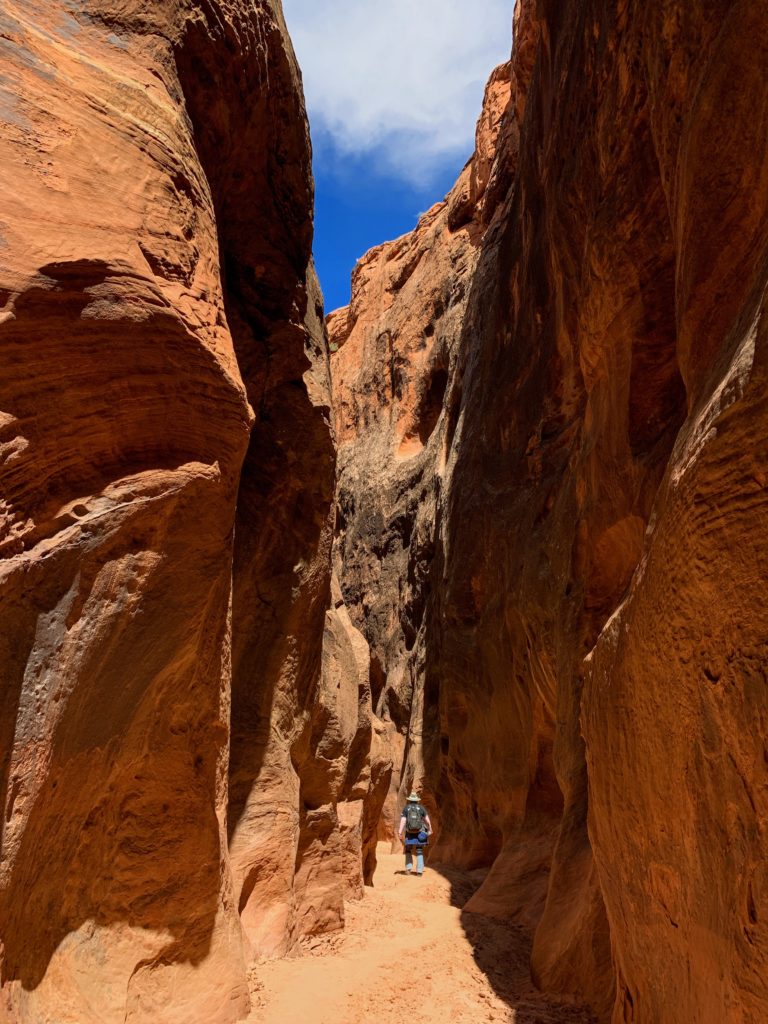
    From Highway 89, it’s less than ten miles down a road built for ranchers back in the day. Sometimes flash floods and weather will wash away portions of the road but the highway officials will fill it in with more gravel eventually. Any car will make the trek on a normal day if you take it slow and steady. Although during the winter months of snow or rain, only a four-wheel drive will make it down House Rock Valley Road to the parking area at the end.  Here, you can access The Wave (permit required), Wire Pass, and Buckskin Gulch. There are actually a few different parking areas. We found the one shared with The Wave is the best location to start the hike into Buckskin Gulch.

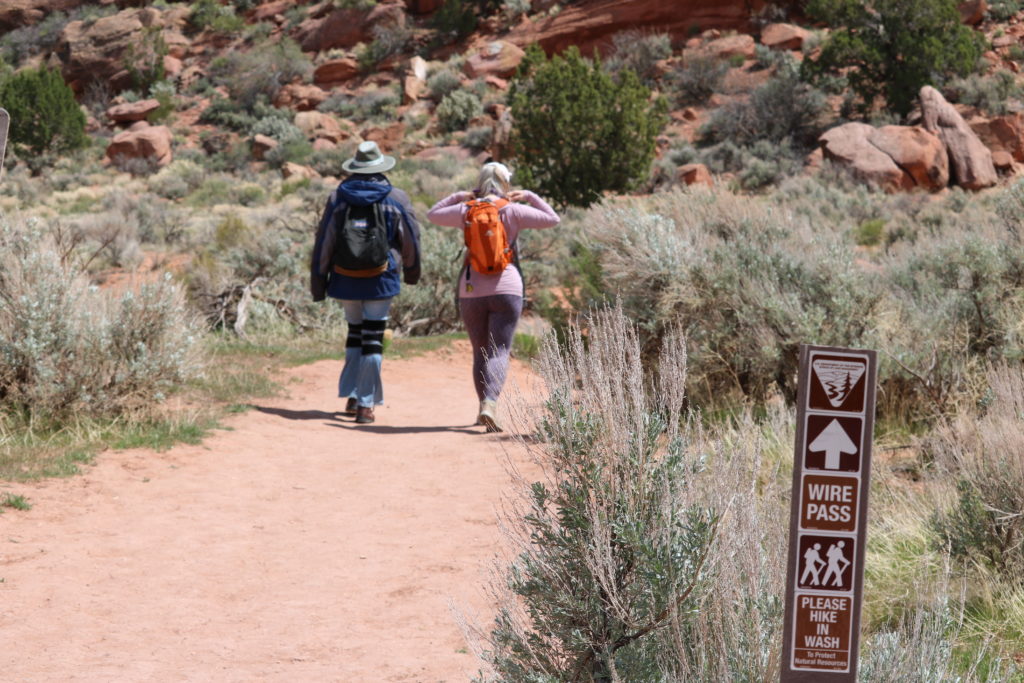
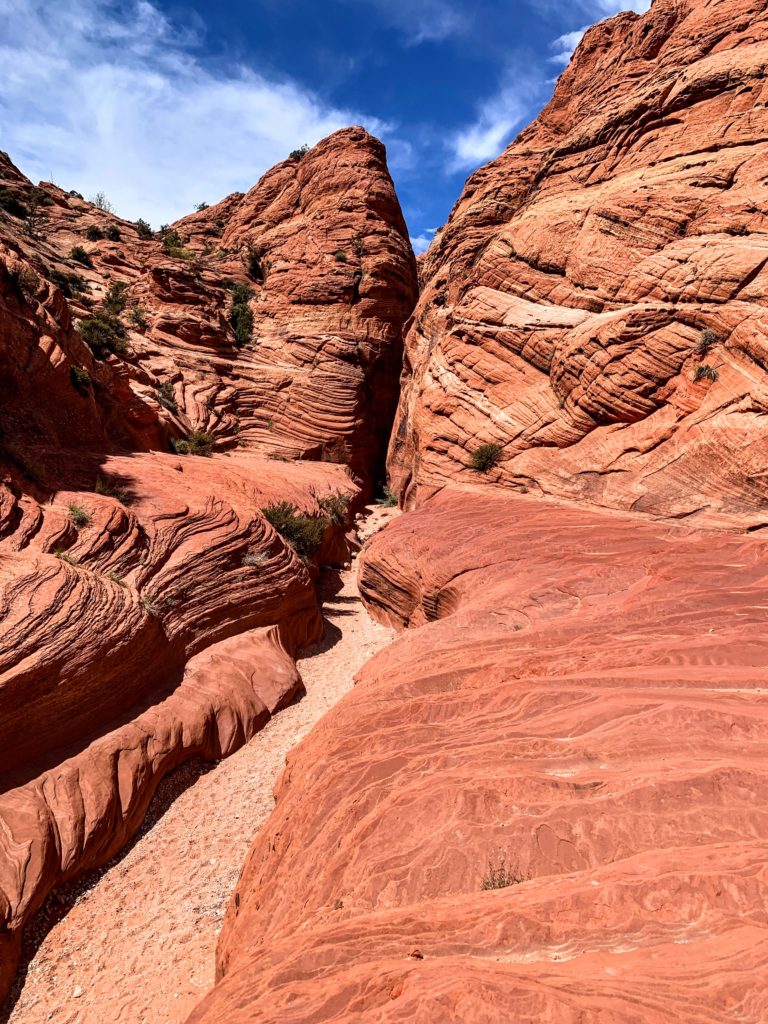
    At the parking area, grab a day use permit from the kiosk, deposit money, and fill in the form as instructed. Hike across the gravel road to start the trailhead for WirePass. Continue onto the Wire Pass trail. You will be heading back north close to the road. Protect yourself in the first mile because of the extreme sun exposure. It will curve to the right and head east. In the middle of WirePass trail you will come to a rock jammed in the narrow slot canyon. Just over the rock is a lower level. The rock adds at least two feet onto the level and you must pass over this rock to go further into the canyon. The second level is around six feet down. So it’s around eight feet you must climb down and back up when leaving. There is an alternative to WirePass to get to BUCKSKIN GULCH, but it’s worth the effort to move forward in this direction. This “rock jam” is the only obstacle for this pass. Be cautious using the rope provided around the rock. It’s not stable and you could fall off. Be careful.

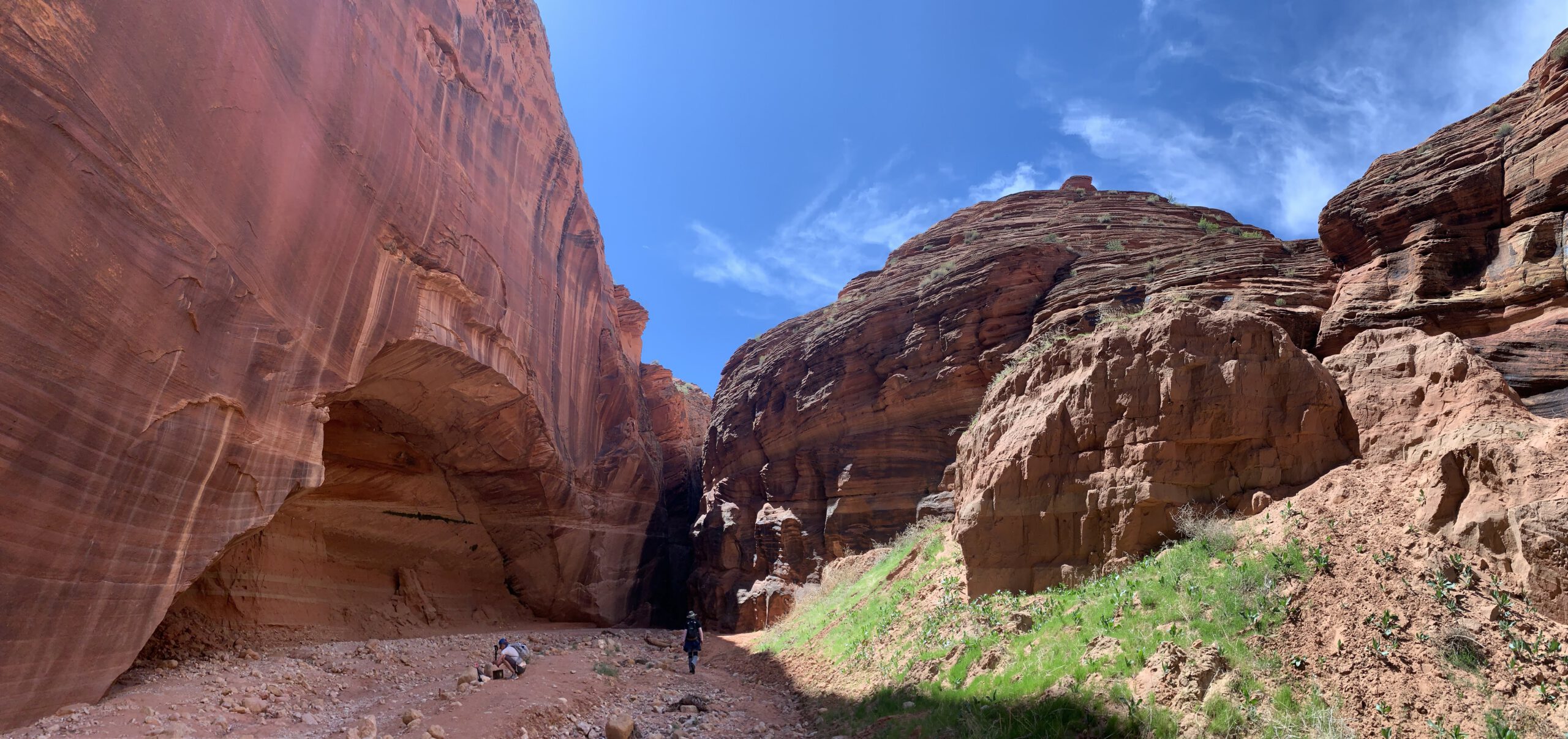
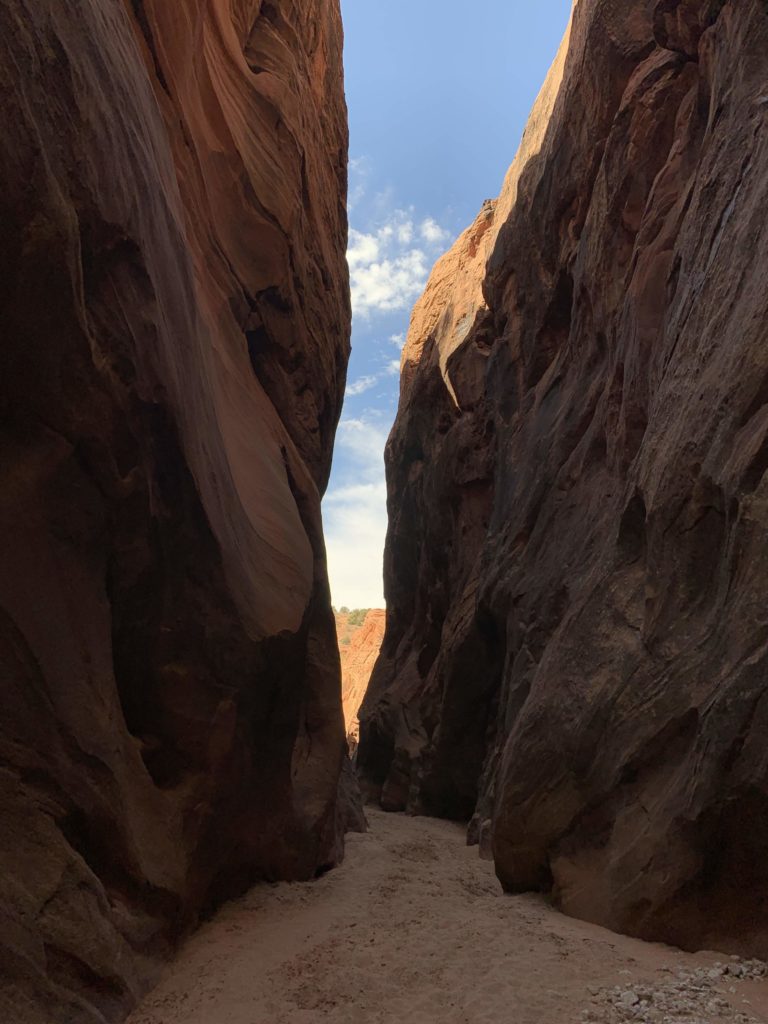
    On with the trail. The next part of the hike will enter a confluence for WirePass and Buckskin Gulch. This is where you will hike north or south. We headed north and it was pretty spectacular. The gulch is much wider and the canyon walls vary in height. The extent of the canyon continues east for 40 some odd miles to Marble Canyon and Lee’s Ferry. There are several trails through the passes although I would suggest a day hike in and out of the canyon. Stay hydrated and aware of the weather, especially any flash flood warnings, during and after rainfall.  Take provisions. The only bathrooms are located at the trailhead. Don’t get caught up in sneaking into “The Wave”. It’s a hefty fine and possible jail time. Not worth the time and effort to see a landmark. Especially if you know where to look, you can see similar “waves” within other places all around the area.

    So… that’s the juice. Are you pumped to see Buckskin Gulch? I am definitely pumped to go back and to tell others. Antelope is amazing but you will be pleasantly surprised with this canyon. It’s cheaper and so much more to see. I would advise using AllTrails app to help you navigate this hike and so many others in the area. If you are staying with us in our AirBnB, we have so many places we can fill you in to explore more on your adventure and journey into nature and the WildWest.


    Antelope Canyon on Steroids – Side effects:
    Positive:  A spectacular performance of nature.
    Negative:  Watch for flash floods and heat exhaustion.


  • Antelope Canyon

    Antelope Canyon

    HISTORY of ANTELOPE CANYON –

    Imagine no social media, or even no internet.  You have a great natural wonder you want to share with others.  What do you do? How do you share this phenomenon with others? In 1992, at what we now know as Lower Antelope Canyon, Ken and his wife would sit on the side of the road waving down cars to tell them about this wonderful natural phenomenon on their private property. It was well over two decades until their efforts would prove beneficial.

    Today, Ken’s Tours hosts about 500 visitors a day. No more need to sit outside and wave down visitors. Due to a surge in travel, homestead lodging, and more social media sharing starting in 2012, a marvelous place such as Antelope Canyon has experienced a vastly large increase in explorers seeking a great adventure to share with others.

    [envira-gallery id=”1018″]

    MY EXPERIENCE –

    Before moving to this area, I had no idea about Antelope Canyon, although I was well aware of The Grand Canyon. It’s about a two-hour drive to the north rim from our current location. Antelope Canyon is less than a thirty minute drive from Liberty Vacation Rentals. After arriving and searching the area on Google Maps, I saw the property was located really close to a massive body of water: Lake Powell. I grew up close to lakes and know that lake life is amazing.

    Our first year in Big Water, we cleaned up the building, and after much effort, opened it up to rent on AirBnB. Our first few guests mentioned Antelope Canyon but we still had no idea what it was and the extent of this natural phenomenon. Oh, the lovely resource of the internet! I went deep, exploring the area of northern Arizona and southern Utah. What a spectacular find of natural phenomenons: Grand Canyon, Zion, Bryce, Moab, Colorado River, and most of all… Antelope Canyon.

    GETTING A TOUR –

    Dixie Ellis and Ken’s Tours own the property rights to Antelope Canyon. A few years ago when we arrived, they were still getting used to the massive influx of visitors. A comfortable system to guide guests into the canyon had not been implemented. An allotment of twenty visitors per guide, every ten or fifteen minutes, was the standard. Complaints came in of the narrow canyon feeling “too crowded.” But what else can you do when hundreds of people are waiting two or more hours just to get in, all summer long?

    In March of 2020, we took a free-tour on a special day for locals, and learned that these tour companies will be reducing the crowds, tapering down the numbers to 10 people per guide.

    We climbed down into the earth, via metal ladders installed for ease of access. Descending 55 feet with our guide, we begin our tour through the slot canyon. Several people packed into the sandstone channel began gasping and clicking away on cameras, while taking in such an incredible natural wonder.

    I remember the crowds in the canyon. I remember meeting several tourists. I remember standing in the 100 degree temperature. I watched videos of our journey. This time would be different. In 2020 we would tour Lower Antelope Canyon and I would remember all of it. Ken’s Tours and Dixie Ellis welcomed locals to tour the canyon two weekends in the “off season”. We didn’t realize until the end of the first tour locals had the opportunity to explore the canyon several times throughout the two weekends.

    Since we have lived in the area a few years, we consider ourselves locals. Living in an area mostly for vacationing, we, as locals, have incredible perks. (Read through our other blog posts for more local attractions.) Ken’s Tours and Dixie Ellis wanted to extend a gracious expedition to their exquisite unique sandstone rock formation.

    The first tour was Leap Day, 2020. The weather was a little cool with frequent sun rays and a few clouds. It wasn’t too hot and it wasn’t too cold. Since we are sort of deep in the canyon, I could have used a second long sleeves layer under my vest. Somehow the cool stays in the channel and remains a few degrees cooler throughout the year, up to ten degrees fahrenheit cooler. I knew this time my adventure through the canyon would be well documented and would definitely pay off if I keened in my super awareness of this grand experience. I was excited and grateful for Ken’s Tours gracious gift and I was assuredly going to take advantage of this offer.

    As you have been able to see the details of the canyon through social media postings, blog articles, video contents, and advertisements Antelope Canyon is undeniably a bucket list for all that venture into this marvelous rock we call Earth. There’s nothing new I can tell you about the canyon. It is one to be experienced, not just talked about or seen through the eyes of another. The take away from this post is to let you know how much the tour companies have advanced in their organization by developing a system more suitable for the enjoyment in the experience of the canyon. Navajo Nation Parks Administration toured the canyon and decided the groups touring were too large and could possibly cause damage to the natural sandstone wall.  It was decided to send in groups of ten visitors rotating companies Ken’s and Dixie every fifteen minutes. What an incredible change.

    As we descended into the canyon, we took many photos. I have an iPhoneX so I just assumed it would auto adjust to the lighting. Once we were half way through the tour the guide mentioned I should be using the “VIVID” setting. I had no idea where the adjustments to lighting were on the phone. As we moved forward, I played with the adjustments finding “COOL VIVID” worked just as well. The one camera setting I had not even thought to use was a vertical PANORAMIC. This setting takes in the extent of how tall the walls are in Lower Antelope Canyon. We even used a normal horizontal panoramic walking behind the shooter to position ourselves in the frame a few different spots. Oh boy… Technology is amazing.

    TWICE IN ONE WEEKEND –

    The next day we took advantage once again of the free tour for locals, and went through Lower Antelope a second time. This time we knew what to expect, how to use our time wisely and to ask the guide for more information. The second guide had so much information it was almost a bit overwhelming. We could occasionally hear the tour guide behind us speak of other areas in the canyon we had not paid much attention to. (Ask about the crystals in the walls.)

    I am amazed how much time I could spend in this canyon. It’s well worth the money to explore. Even more if you get to visit this canyon a few times. As I have already mentioned, Ken’s Tours has a building where visitors can wait comfortably for their tour to be called to go into the canyon.

    I asked about early check ins. YES! It is welcomed. You may check in early the day of your reservation and return fifteen minutes before your tour time. Although if you miss your reservation time, it’s likely you will need to make a new reservation and possibly lose the money for the tour missed. I suggest arriving one hour prior to the reserved time, hang out, speak with other visitors, learn of their plans in the area.

    OFF SEASON TOURS –

    Visiting “off season” makes a great difference in time spent exploring the canyon. I would venture to say October, November, February and March would be less crowded, although the tour companies are booked well in advance throughout the year. February seems to be the most logical time to visit without fighting through the crowds. And… Everything is cheaper.

    If you have the time and the money, I would suggest going through the canyons with a private tour guide or multiple visits. What an incredible way to see Earth and Mother Nature come together through technology for all of us to share our experience.

    Written by,
    JeniMae Baker

  • Kanab Sand Caves

    Kanab Sand Caves

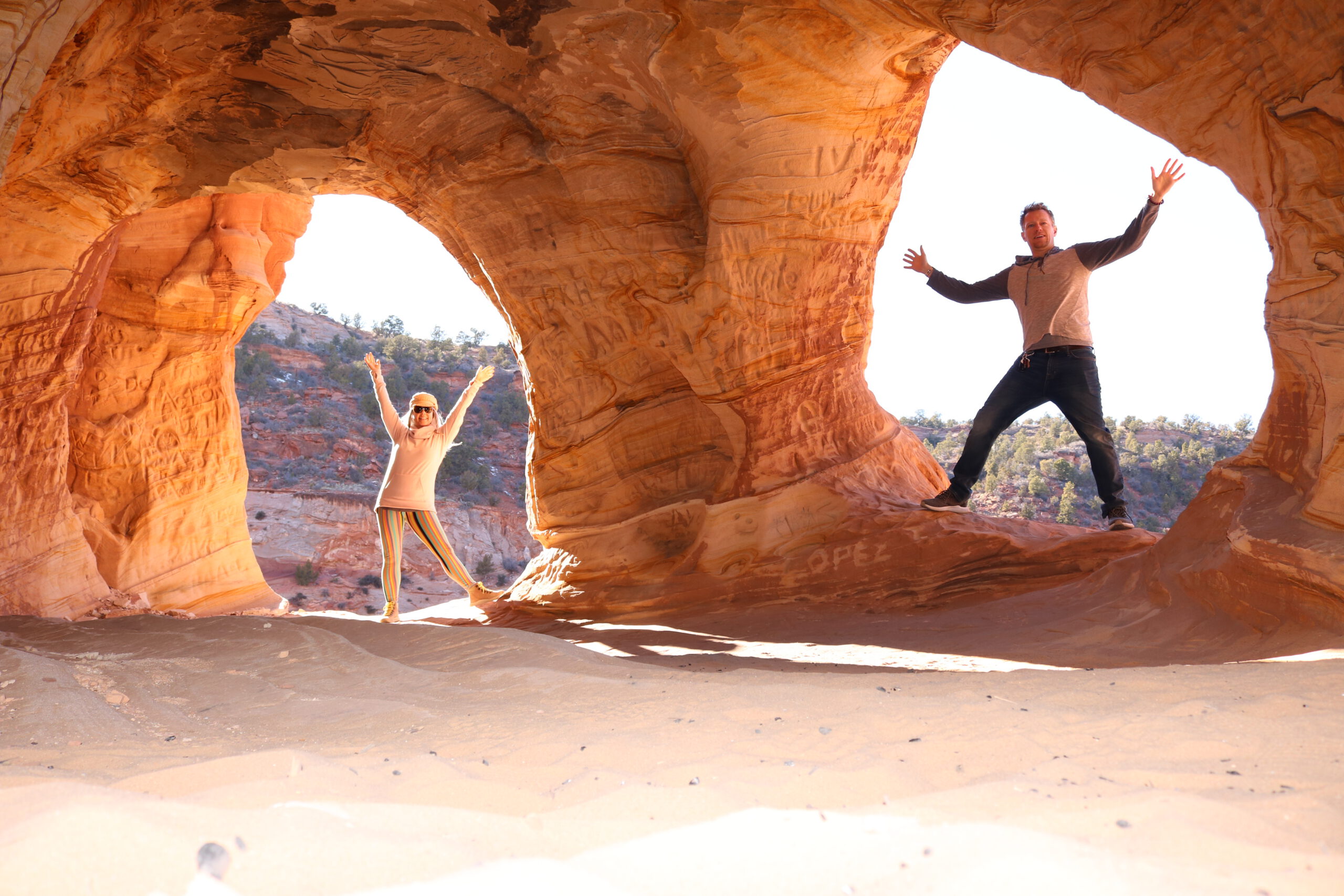
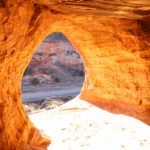
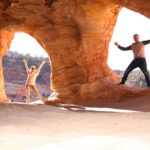
    This is a really fun and quick landmark to visit, on your journey through southern Utah. Just north of Kanab, on the way to Zion, are the Sand Caves. These are naturally cut caves, in the side of the sandstone mountains. You will be able to see these to the upper rightof the highway 89, just miles north of Kanab.

    You’re able to park on the side of the road, and take a short hike up the mountain, and then into the caves. You’ll notice that many people have carved names into the rocks, or had an occasional campfire inside. The natural light coming in thru the holes in the rocks make for some great photos. The deepest part of the cave is about 200 feet from the entrance and is very dark.

    Be careful not to fall from the openings of the mouths of these caverns. The side of the mountain can be climbed with regular shoes or hiking boots, but is steep and 45 degree angle in parts. Total time to visit the Sand Caves is about 20-30 minutes. This is a fun place to stop on the way to Zion or the Best Friends Animal Shelter.

  • Skylight Arch

    Skylight Arch

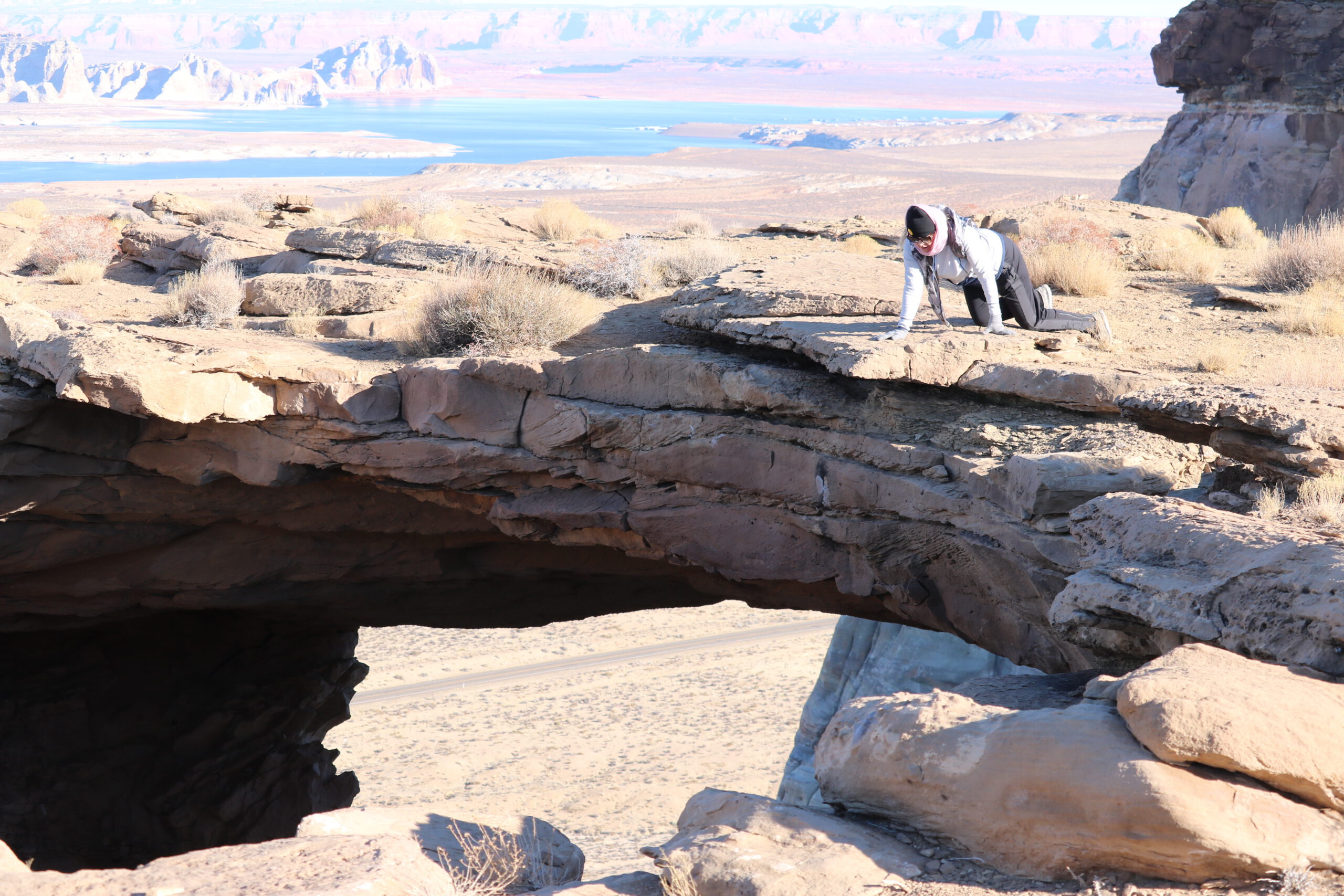
    The Skylight Arch is a lesser known, horizontal arch. This rocky phenomenon is visible from Highway 89 in Southern Utah, at the Arizona/Utah border.

    The hiking trail is free to the public, if you can find it. If you have cell-phone reception, you can use Google Maps to drive from Highway 89 to the backroads of Southern Utah, nearby Lone Rock Beach.

    You’ll be driving off road, therefore an SUV, truck, or jeep is recommended. We took my Prius on a dry and sunlit day, however, the last mile of road is very rocky and isn’t good for low-riding vehicles. So we parked, and hiked one extra mile to the location (a total of 2 miles hiking each way).

    The backroads have a lot of intersections, and rocky terrain at the end of the road. The good news is that you can get (Verizon) cell phone reception on this hike! So you can map it on your phone and it will guide you to the small parking area behind the mountain. On the way, you will find roadsigns for Vermillion Cliffs, at which you should go to the left, then veer slight right to go around the back of the mountain. You will be driving under several power lines, for about a mile.

    If you get to the end of the road, you’ll have just a 1 mile hike, each way. The arch is almost difficult to notice from above ground, until you approach it, so be careful not to fall in. It’s a long way down.

    [envira-gallery id=”986″]

    There are spectacular views of Lake Powell, Lone Rock, Navajo Mountain, as well as other buttes and mountains in the distance. Spoiler alert! We put a few photos on this blog post!

    You should bring water, good shoes/boots, a hiking buddy, and maybe a snack and a backpack. Use the restroom before coming, or bring a roll of TP to be safe. Dogs are allowed.

  • Rip Rap in Catstair Canyon

    Rip Rap in Catstair Canyon

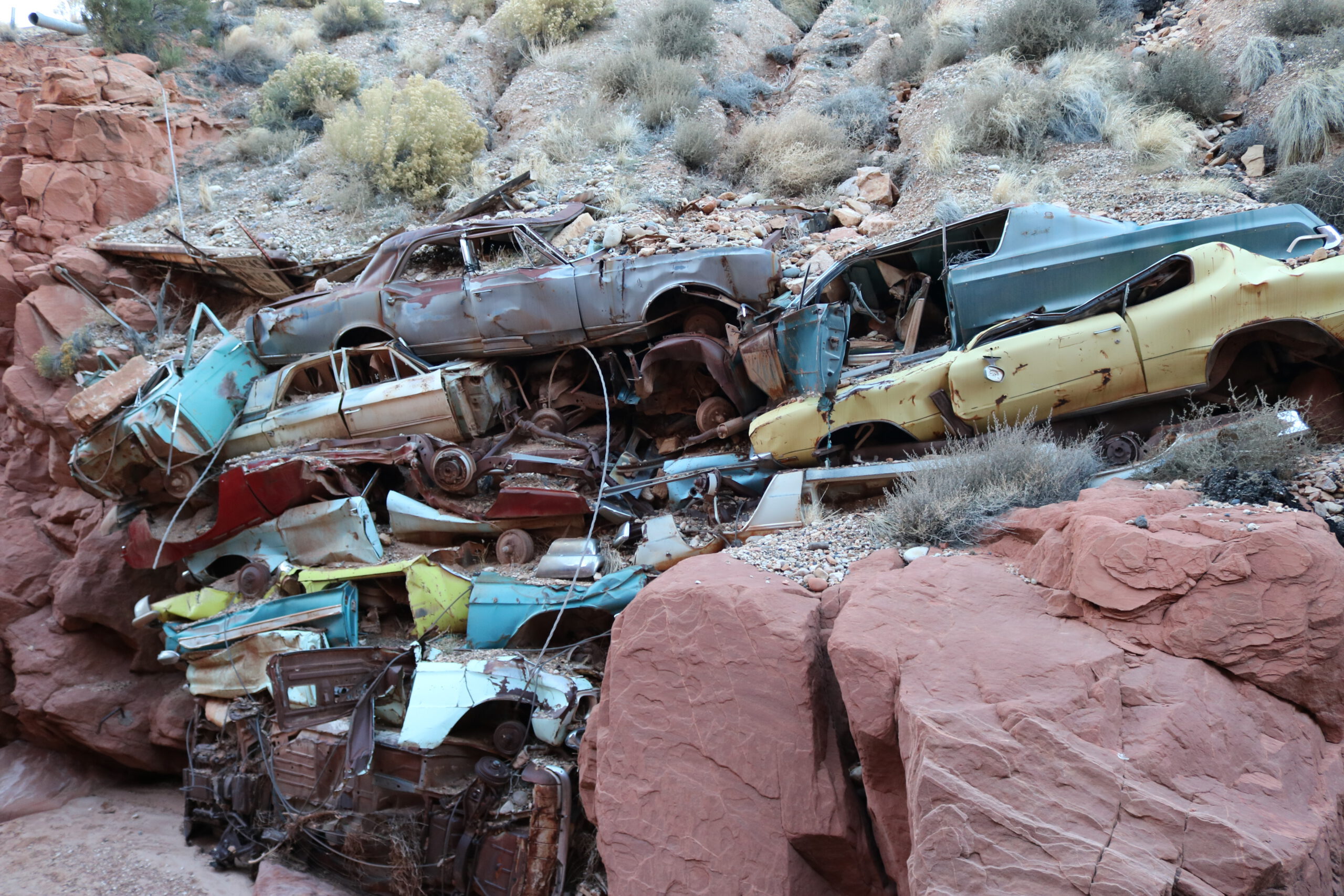
    Rip Rap is located inside Catstair Canyon, not far from the Paria River. We had no idea this amazing relic existed until just recently. It’s a little known ruin of several classic cars, which were used decades ago to fill in a gap of the highway 89. You can find this in Catstair Canyon, just south of House Rock Valley Road. The hike is medium difficulty, but only about a half mile. Be careful around the abandoned vehicles, they may have sharp edges. It’s truly a sight to behold. On the other side of this canyon, you can find some petroglyphs. You won’t need an off-road vehicle to get here, but it will require some hiking in the canyon. There is no charge, or restrictions, to visit this site. There is no restroom or running water. (And please don’t litter.)

    YOUTUBE VIDEO LINK – CLICK HERE

    [envira-gallery id=”833″]

  • Bryce Canyon

    Bryce Canyon

    Bryce Canyon National Park is a sprawling reserve in southern Utah, known for crimson-colored hoodoos, in the shape of spire-shaped rock formations. The park’s main road leads past the expansive Bryce Amphitheater, a hoodoo-filled depression lying below the Rim Trail hiking path. It has overlooks at Sunrise Point, Sunset Point, Inspiration Point and Bryce Point. Prime viewing times are around sunup and sundown.

    As this park is a two-hour drive west of Liberty Vacation Rentals, many travelers and tourists should consider making this a next destination after checking out with us. Many locations at Bryce Canyon park can be viewed in a day. We recommend driving to Rainbow Point for the most expansive view.

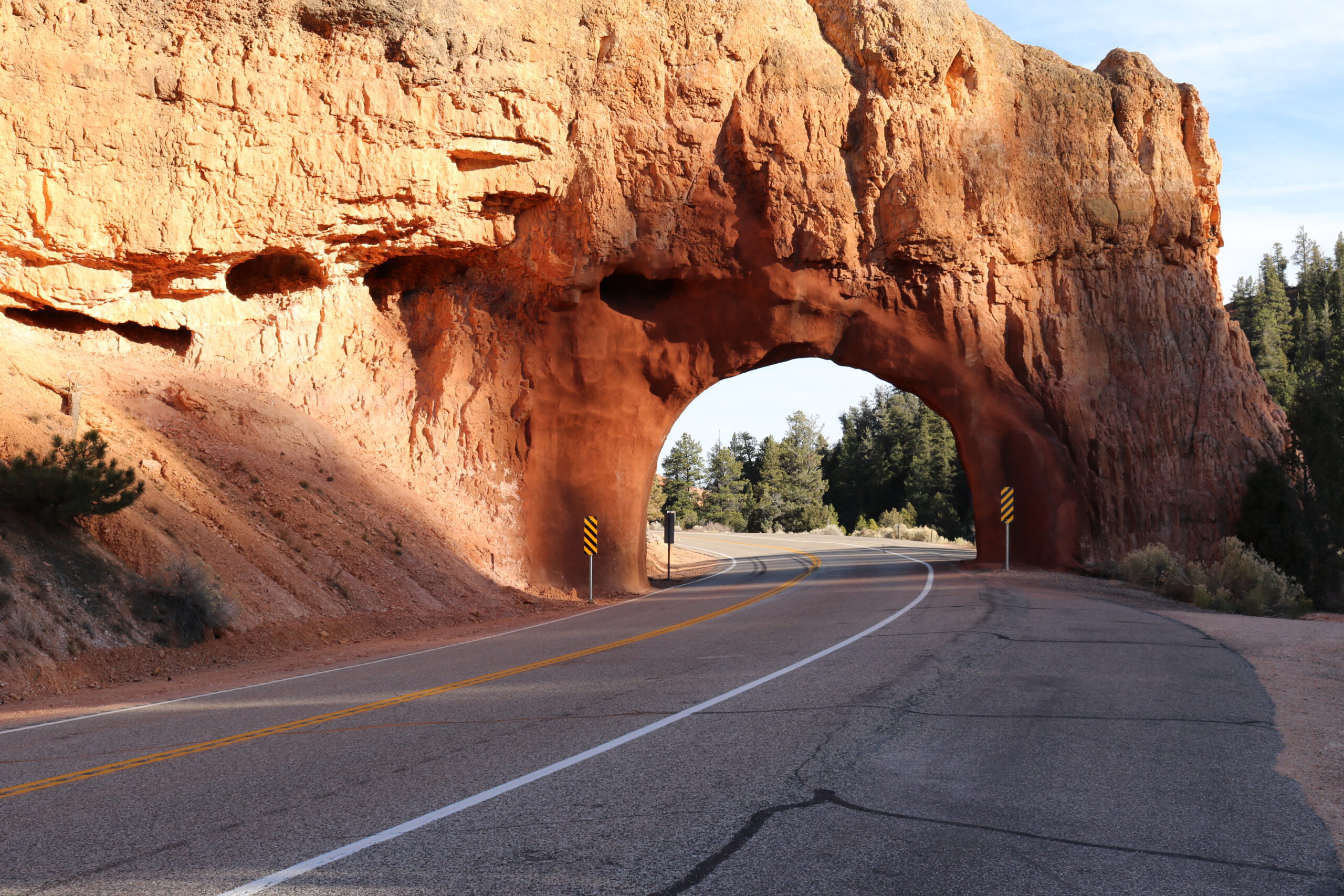
    Inside the Bryce Canyon park is lodging and a restaurant, however, in the off-season, one may have to find quality restaurants just outside of the park in the Red Canyon area. Bicyclists can also enjoy a paved bike trail running through the The Red Canyon Bicycle Trail (a National Recreation Trail), running for more than 8 paved miles

    REMEMBER: Practically all national parks, including Zion and Bryce Canyon, are not very pet-friendly; therefore, those planning to visit the parks should consider leaving their pets at home. Pets are prohibited on hiking trails, in the back country, and in all park buildings, and must always be on a leash no more than 6 feet long. An exception: the Rim Trail is a scenic, panoramic path where pets are definitely allowed, as long as they are on a leash at all times.